Koliva - Coliva
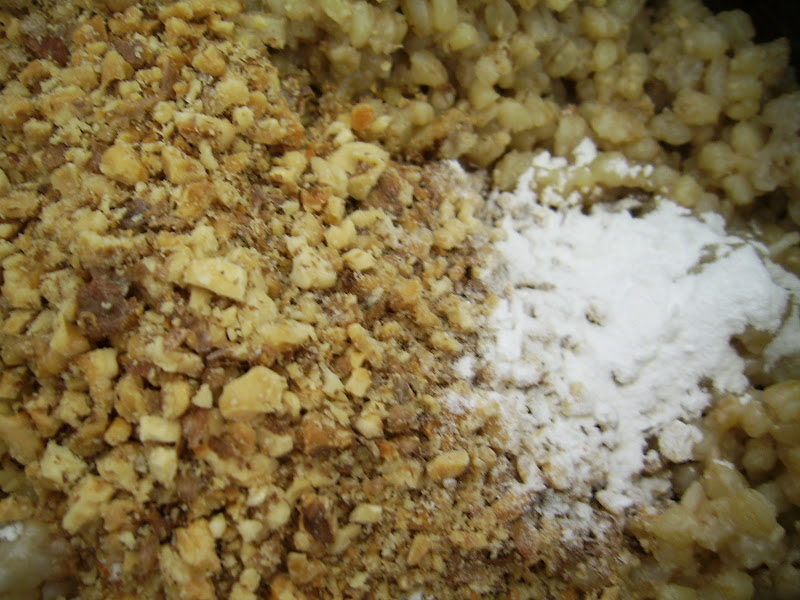
Koliva or Coliva, a traditional Eastern Orthodox dish, holds a special place in religious and cultural ceremonies. It is commonly prepared and shared during memorial services, funerals, and anniversaries. This dish consists of wheat, barley, and other ingredients that have strong symbolic meanings.
Rezept in 2020

Coliva is not only a dish with deep-rooted traditions but also a delicious treat that can be enjoyed at any time. It is often prepared with love and care, following old family recipes passed down through generations. The process of making Coliva involves several steps and requires attention to detail. The end result, however, is a flavorful and satisfying dessert that will please your taste buds.
greek “coliva” ελεημοσύνη - Life as I know it

The Greek variation of Coliva, known as “ελεημοσύνη,” holds a special place in the hearts of the Greek Orthodox community. It is prepared with love and devotion, combining various ingredients to create a unique and meaningful dish. The process of making ελεημοσύνη involves grinding wheat or barley, cooking it, and then mixing it with other ingredients to create a sweet and fragrant dessert.
Pin auf COLIVA

Coliva is a dish that has transcended cultural boundaries and is celebrated by people all around the world. It is not only a delicious dessert but also a symbol of unity and remembrance. Whether you enjoy it as a part of a religious ceremony or as a treat at home, Coliva is sure to bring a sense of warmth and nostalgia to your table.
On Saturdays… : Supervoluntari

In many cultures, Coliva is traditionally made and shared on Saturdays. This day holds a special significance as it is dedicated to honoring the souls of the departed. Families come together, prepare Coliva with love and devotion, and then share it as a way to remember their loved ones. This tradition not only brings people together but also serves as a way to pass down cultural customs from one generation to another.
Coliva din arpacas cu cocos si stafide reteta | Retete Culinare
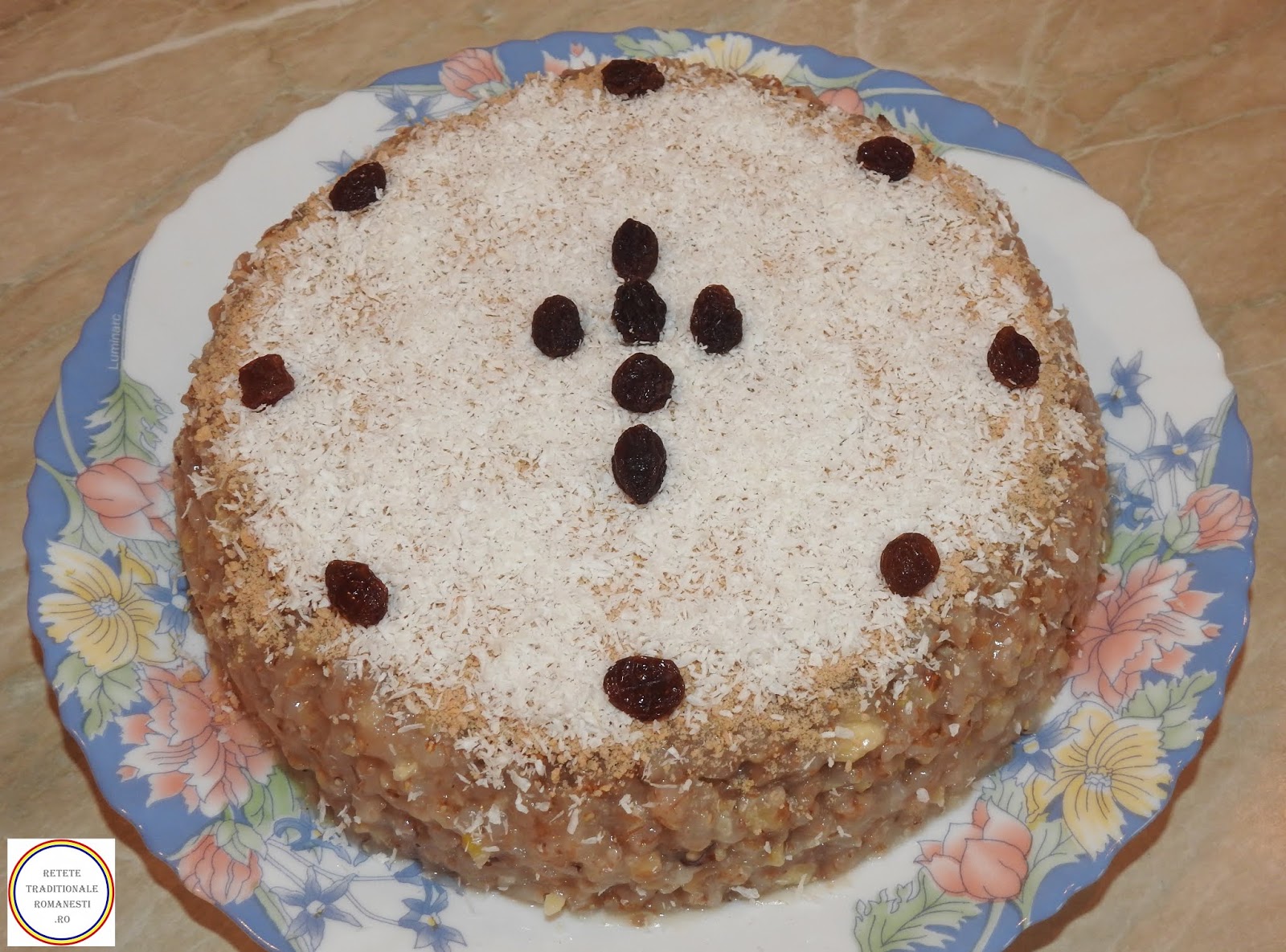
Coliva is a versatile dish that can be customized according to personal preferences. This recipe adds a twist to the traditional Coliva by using arpacas, coconut, and raisins. The combination of flavors and textures creates a delightful dish that will leave you craving for more. The recipe is easy to follow and can be prepared with readily available ingredients.
COLIVA | Yummy Food That Makes Me Jiggle | Pinterest

Coliva is not just a traditional dish; it is a treat that brings joy and happiness to those who indulge in it. The soft texture of the wheat and the sweetness of the other ingredients create a delectable combination that is hard to resist. Whether you enjoy it as a dessert or as a snack, Coliva is guaranteed to make your taste buds jiggle with pleasure.
Coliva traditionala - Retete culinare by Teo’s Kitchen
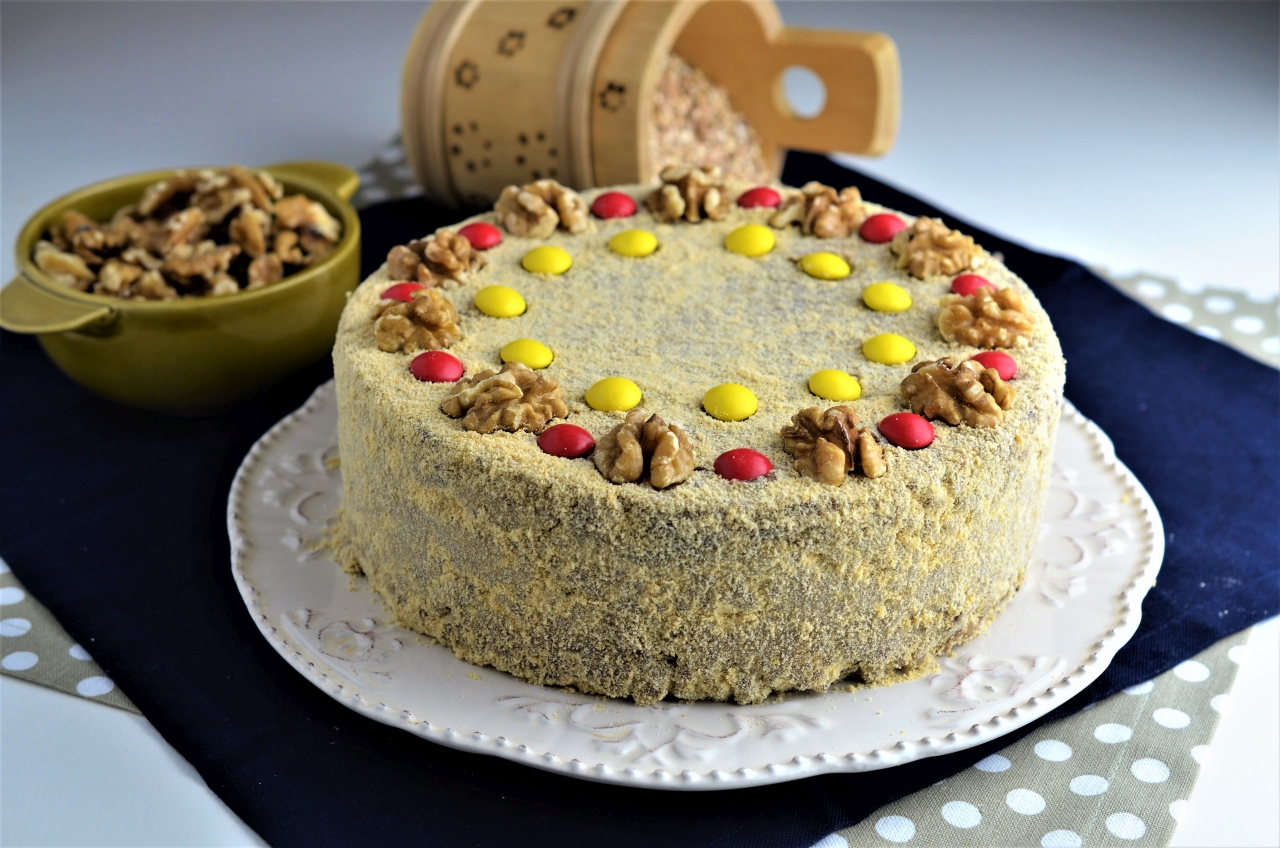
Coliva is a dish that can be prepared with love and creativity. This recipe by Teo’s Kitchen presents a traditional take on Coliva, using high-quality ingredients and expert techniques. The end result is a dish that not only looks beautiful but also tastes heavenly. The recipe provides step-by-step instructions, making it easy for anyone to recreate this delicious dessert at home.
Coliva - ritual food stock photo. Image of sweets, barley - 52391028

Coliva holds a special place in religious rituals, especially during memorial services and funerals. This dish is believed to provide alms to the departed souls and is prepared with devotion and care. The use of rough-grounded wheat and barley gives it a unique texture and flavor. It is a food that not only nourishes the body but also satisfies the soul.
Coliva traditionala - CAIETUL CU RETETE
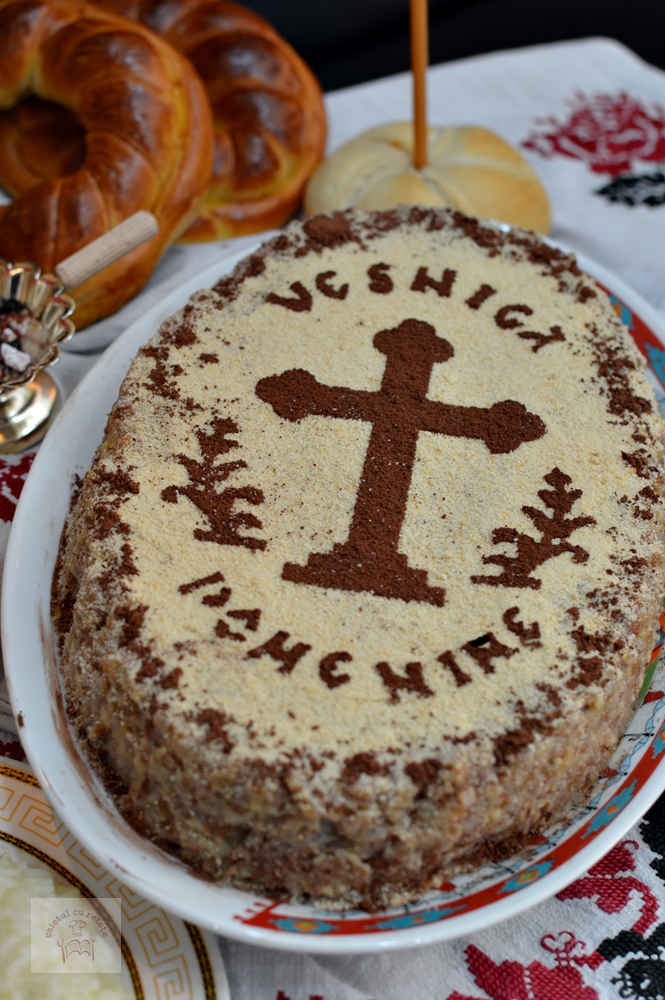
Coliva has a rich history and has been part of culinary traditions for centuries. This traditional recipe, presented in “CAIETUL CU RETETE,” offers a glimpse into the past and allows you to recreate the flavors of old-world cooking. The attention to detail and the use of authentic ingredients make this recipe a true gem for those who appreciate the beauty of traditional cuisine.
Ingredients
- Wheat or barley - Coconut flakes - Raisins - Nuts (optional) - Honey or sugar (to taste) - Water
Instructions
1. Soak the wheat or barley overnight in water. 2. Drain the soaked wheat or barley and rinse thoroughly. 3. Cook the wheat or barley in water until tender. 4. Drain the cooked wheat or barley and let it cool. 5. In a large bowl, mix the cooked wheat or barley, coconut flakes, raisins, and nuts (if using). 6. Add honey or sugar to taste and mix well. 7. Transfer the mixture to a serving dish or plate.
How to Prepare
Coliva is a dish that requires patience and attention to detail. To prepare Coliva, start by soaking the wheat or barley overnight in water. This will soften the grains and make them easier to cook. After draining and rinsing the soaked grains, cook them in water until tender. Once cooked, drain and let the grains cool. In a large bowl, combine the cooked grains with coconut flakes, raisins, and nuts (if desired). Sweeten the mixture with honey or sugar according to your taste preference. Finally, transfer the Coliva to a serving dish or plate, and it is ready to be enjoyed.
Preparation Time
Preparation time for Coliva can vary depending on the quantity being prepared. On average, it takes approximately 2-3 hours to soak, cook, and mix the ingredients. Additional time may be required for cooling the grains and arranging the dish for serving.
Servings
Coliva is a dish that is often prepared in large quantities and shared with family, friends, and community members. The number of servings can vary depending on the occasion and the size of the serving dish. A typical recipe can yield approximately 10-12 servings.
Nutrition Facts
- Calories: 150 per serving - Total Fat: 5g - Cholesterol: 0mg - Sodium: 10mg - Total Carbohydrate: 25g - Fiber: 2g - Sugars: 12g - Protein: 3g
Tips
- Soaking the wheat or barley overnight helps to soften the grains and reduce cooking time. - Add a pinch of salt while cooking the grains to enhance their flavor. - Toasted nuts can add a crunchy texture to the dish. - Serve Coliva chilled or at room temperature for the best taste. - Garnish Coliva with additional coconut flakes or raisins for an appealing presentation.
FAQs
Q: Can Coliva be made ahead of time?
A: Yes, Coliva can be prepared in advance and stored in an airtight container in the refrigerator. It can stay fresh for up to 3 days.
Q: Can Coliva be made without nuts?
A: Yes, the use of nuts in Coliva is optional. If you have any allergies or dietary restrictions, feel free to omit them or substitute with other preferred ingredients.
Q: Is Coliva only prepared for religious ceremonies?
A: While Coliva is often associated with religious ceremonies, it can also be enjoyed as a dessert or a sweet treat on any occasion. Its symbolic significance makes it a dish that can be cherished by people from all walks of life.
Q: Is it necessary to use honey or sugar in Coliva?
A: The addition of honey or sugar helps to sweeten the dish and balance the flavors. However, the amount can be adjusted according to personal preference. Some people prefer a less sweet Coliva, while others enjoy it with a sweeter taste.
Q: Can Coliva be frozen?
A: It is not recommended to freeze Coliva as the texture and taste may be altered upon thawing. It is best enjoyed fresh or stored in the refrigerator for a few days.
Now that you have discovered the rich history and delicious flavors of Coliva, why not give it a try? Whether you are preparing it for a religious ceremony or simply as a sweet treat for yourself, Coliva is a dish that will transport you to a place of warmth and nostalgia. Soak the grains, cook with love, mix in the ingredients, and savor every bite of this delightful Eastern Orthodox dessert. Remember, Coliva is not just a dish; it is a symbol of unity, remembrance, and the love that binds communities together.
