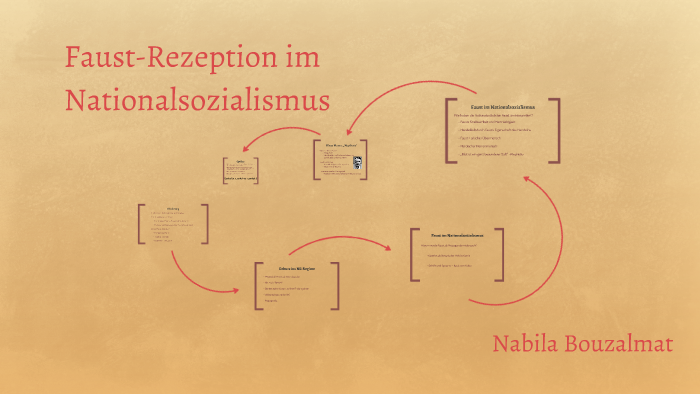
Faust-Rezeption im Nationalsozialismus by Nabila Bouzalmat
Textanalyse und Interpretation “Prolog im Himmel” (Faust, Goethe) - GRIN
Winter Verlag: Marquart, Lea: Goethes Faust in Frankreich
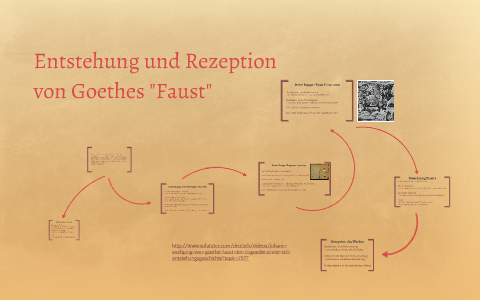
Entstehung und Rezeption von Goethes “Faust” by Chiara Willhardt
Inszenierung des “Faust” am Nationaltheater Weimar — eine Rezension
Gewisperte Worte: :)Rezension:): Faust II

Zur Faust-Rezeption in der Musik des 19. Jahrhunderts von Carolin Bunke

Faust Rezeption nach Goethe by Hannah Fels

Zur Rezeption Von Goethes -Faust- In Ostasien – Professor Adrian Hsia
J. W. Goethe: “Faust” - Interpretation, Faust-Stoff und Rezeption
Rezeption von Goethes Faust im Nationalsozialismus
Rezeption ist ein Begriff, der verwendet wird, um die Art und Weise zu beschreiben, wie ein Kunstwerk von der Gesellschaft aufgenommen und interpretiert wird. Im Fall von Goethes “Faust” liegt der Fokus auf der Rolle und dem Einfluss des Nationalsozialismus auf die Rezeption dieses bedeutenden literarischen Werkes.
Der Nationalsozialismus, eine Ideologie, die von Adolf Hitler in Deutschland entwickelt wurde, beeinflusste viele Bereiche des öffentlichen Lebens, einschließlich der Kunst. Kunstwerke wurden von den Nationalsozialisten zur Propaganda und zur Förderung ihrer Ideen und Werte verwendet. In Bezug auf “Faust” wurde das Werk von Goethe einer ideologischen Umgestaltung unterzogen, um den nationalsozialistischen Zielen zu dienen.
Im Nationalsozialismus wurde “Faust” als ein Werk dargestellt, das die deutsche Volkskultur und die nationalsozialistischen Ideale verkörpert. Die Figur des Faust wurde als Symbol für die deutsche Intelligenz und Kreativität interpretiert. Der nationalsozialistische Staat nutzte Goethes Werk, um seine Ideologie zu stärken und den Glauben an die Überlegenheit des deutschen Volkes zu fördern.
Diese Rezeption von “Faust” im Nationalsozialismus zielte darauf ab, das Bewusstsein für die nationalsozialistische Ideologie zu schärfen und die Inszenierung des Werkes als Propagandainstrument zu nutzen. Insbesondere die Inszenierungen von “Faust” am Nationaltheater Weimar erhielten große Aufmerksamkeit und wurden von den nationalsozialistischen Behörden unterstützt. Die Inszenierung fand vor einem nationalsozialistischen Publikum statt und wurde als kulturelle Veranstaltung gefeiert, die die nationalsozialistischen Werte und Ziele unterstützte.
Die Rezeption von “Faust” im Nationalsozialismus war jedoch nicht ohne Kritik. Einige Künstler und Intellektuelle widersetzten sich der nationalsozialistischen Interpretation von Goethes Werk und versuchten, den ideologischen Einfluss auf die Rezeption von “Faust” einzuschränken. Sie argumentierten, dass die nationalsozialistische Interpretation von “Faust” die Vielschichtigkeit und Universalität des Werkes verfälschte und vereinfachte.
Trotz der nationalsozialistischen Rezeption von “Faust” bleibt das Werk von Goethe ein bedeutender Bestandteil der deutschen Literaturgeschichte. Die unterschiedlichen Interpretationen und Rezeptionen von “Faust” im Laufe der Zeit spiegeln die Entwicklung der Gesellschaft und ihre unterschiedlichen Ideologien wider. “Faust” bleibt ein Werk, das weiterhin untersucht, diskutiert und interpretiert wird, sowohl in Bezug auf seine literarischen Qualitäten als auch auf seine historische Relevanz.
Ingredients
- A deep understanding of Goethe’s “Faust”
- Knowledge of the National Socialist ideology
- Artistic interpretation skills
Instructions
- Read Goethe’s “Faust” and familiarize yourself with its themes and characters.
- Research the National Socialist ideology and its influence on art and culture.
- Analyze the different interpretations of “Faust” during the National Socialist era.
- Examine the propaganda techniques used to promote the national socialist interpretation of “Faust”.
- Evaluate the impact of the national socialist interpretation of “Faust” on the public and artistic community.
How to prepare
To prepare a comprehensive analysis of the reception of Goethe’s “Faust” in the National Socialist era, follow these steps:
1. Start by conducting extensive research on the topic. Gather information from various sources, including books, articles, and archives.
2. Read Goethe’s “Faust” in its entirety and take notes on its themes, characters, and symbolism.
3. Study the historical context of the National Socialist era, including its ideology, policies, and propaganda methods.
4. Identify the key figures and institutions involved in the reception of “Faust” during the National Socialist era. This may include writers, artists, theater directors, and government officials.
5. Analyze the different interpretations and adaptations of “Faust” during this period. Look for evidence of the national socialist ideology permeating the portrayals of the characters and themes in the play.
6. Examine the reception of “Faust” through reviews, newspaper articles, and other contemporary sources. Look for patterns and trends in how the play was received by the public and the artistic community.
7. Consider the role of propaganda in shaping the reception of “Faust”. Look for examples of how the national socialist government used the play to promote its ideology and values.
8. Reflect on the ethical implications of the national socialist reception of “Faust”. Consider the potential impact on future interpretations and understanding of the play.
Preparation time
The preparation time for this analysis may vary depending on the depth of research and analysis required. It is recommended to allocate several weeks to thoroughly study the topic and gather relevant information.
Servings
This analysis serves to provide a deeper understanding of the reception of Goethe’s “Faust” in the National Socialist era. It is intended for academic purposes and to contribute to the broader discussion on the impact of ideology on artistic interpretation.
Nutrition Facts
There are no specific nutrition facts associated with this analysis. However, it offers intellectual nourishment and a deeper insight into the complex relationship between art and ideology.
Tips
- Take a multidisciplinary approach to your research, drawing from literature, history, and art history.
- Consult a variety of sources to gather a comprehensive understanding of the topic.
- Consider the broader historical context when analyzing the reception of “Faust” in the National Socialist era.
- Engage in discussions and debates with peers and experts to broaden your perspective.
- Continuously update your knowledge of the topic as new research and interpretations emerge.
FAQs
- Q: Was “Faust” the only literary work to be reinterpreted during the National Socialist era?
- A: No, “Faust” was one of many literary works that underwent ideological reinterpretation during the National Socialist era. Other notable examples include Wagner’s operas and the works of Nietzsche.
- Q: How did the national socialist interpretation of “Faust” impact the legacy of the play?
- A: The national socialist interpretation of “Faust” has had a lasting impact on the understanding and reception of the play. It has shaped subsequent interpretations and continues to be a subject of scholarly debate.
- Q: Were there any artists or intellectuals who resisted the national socialist interpretation of “Faust”?
- A: Yes, there were artists and intellectuals who opposed the national socialist interpretation of “Faust”. They argued for a more nuanced and universal understanding of the play, challenging the national socialist propaganda surrounding it.